
Starting a general staffing agency can be an exciting and rewarding business venture. Companies across industries constantly need qualified workers, and by connecting employers with the right talent, your agency can play a vital role in keeping the workforce moving. If you’ve ever thought about launching your own staffing agency, here’s a step-by-step guide to help you get started.
1. Research the Staffing Industry
Before diving in, take time to understand the staffing industry landscape. Learn about current market trends, client demands, and common challenges. Research your competition to identify gaps you can fill. A strong understanding of your market will set the foundation for your business strategy.
2. Choose Your Business Model
Staffing agencies typically operate in a few different ways:
- Temporary staffing – Supplying workers for short-term assignments.
- Temp-to-perm – Providing employees with the possibility of being hired full-time.
- Direct hire – Recruiting permanent employees for clients.
Decide which model—or combination—fits your goals, resources, and market demand.
3. Handle Legal and Licensing Requirements
To operate legally, you’ll need to:
- Register your business and choose a legal structure (LLC, corporation, etc.).
- Obtain an Employer Identification Number (EIN).
- Comply with state-specific staffing or employment agency regulations.
- Secure insurance, including workers’ compensation, liability, and professional indemnity.
Consulting with an attorney familiar with staffing laws can save you headaches down the road.
4. Build Strong Relationships with Employers
Your agency’s success depends on attracting clients who need workers. Begin networking in your local community and reach out to businesses in industries that rely heavily on temporary or permanent staff. Highlight your ability to save them time, reduce hiring risks, and provide quality candidates.
5. Recruit and Retain Quality Talent
A staffing agency is only as strong as its pool of candidates. Develop a recruitment process that draws in reliable, skilled workers. Use job boards, social media, and community outreach to find talent. To retain your workforce, offer fair pay, clear communication, and positive experiences.
6. Set Up Payroll and Financing
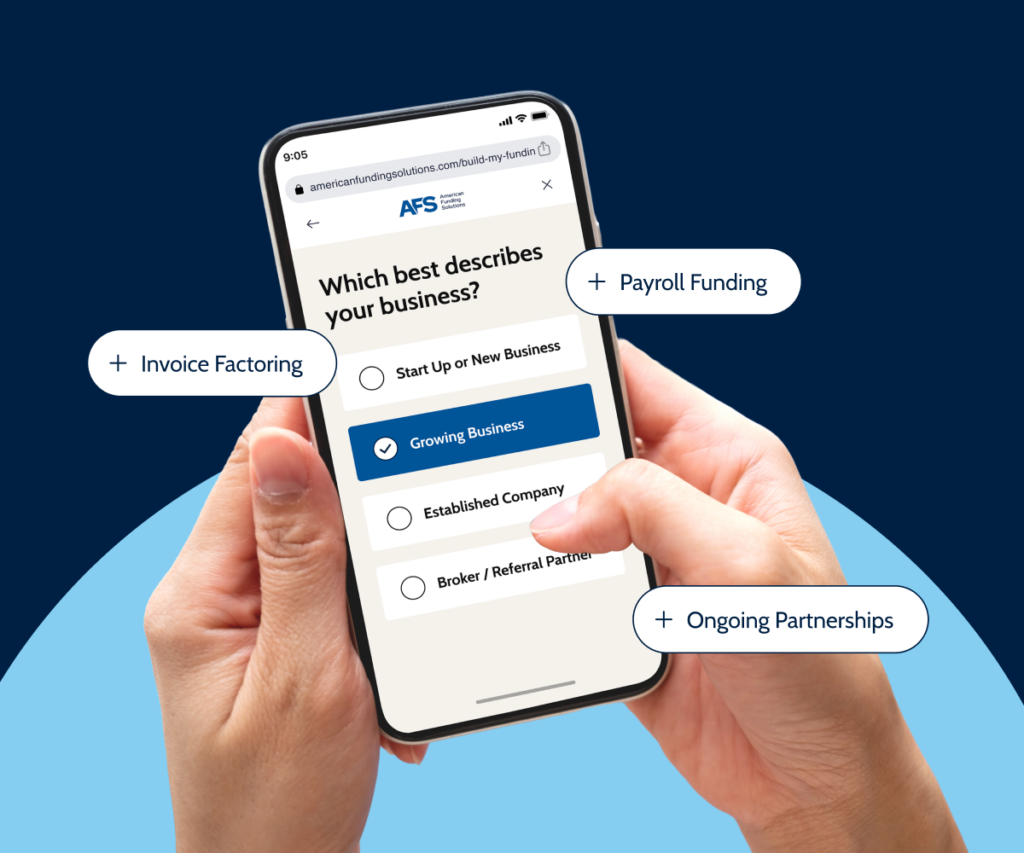
Since staffing agencies typically pay employees weekly but may not get paid by clients for 30–60 days, cash flow can be a challenge. Many new agencies partner with a factoring company to cover payroll during these gaps. Factoring converts unpaid invoices into immediate cash, ensuring your workers always get paid on time.
7. Invest in Technology
Staffing software can help streamline candidate tracking, payroll, compliance, and client communication. Even small agencies benefit from automation tools that save time and reduce errors.
8. Market Your Staffing Agency
To stand out, invest in a strong online presence. Build a professional website, optimize for SEO, and share helpful content that showcases your expertise. Attend networking events, join local business groups, and consider paid ads to attract both clients and candidates.
Final Thoughts
Starting a general staffing agency requires planning, persistence, and relationship-building. With the right foundation—industry knowledge, legal compliance, quality talent, and steady cash flow—you can build a thriving business that meets the needs of both employers and workers.